Managing money is a life skill that impacts every area of our lives from how we handle emergencies to how well we sleep at night. Whether you’re trying to save for a dream vacation, pay off debt, or simply gain more control over your finances, learning how to manage your money effectively can make all the difference.
In this guide, we’ll walk you through simple, practical steps to help you understand where your money goes, how to budget, save smartly, and build a healthier financial future without the overwhelm.
Why Money Management Matters
Proper money management helps you:
Reduce financial stress by knowing you’re in control.
Meet your goals faster, whether it’s buying a home or starting a business.
Avoid debt traps that come with poor planning.
Build financial security for unexpected life events.
You don’t need to be a finance expert to manage your money. All it takes is awareness, discipline, and a few good habits.
Step 1: Know Where Your Money Goes
Before making any financial decisions, it’s crucial to understand your income and expenses.
Track Your Spending
Start by writing down every expense for at least a month. Use a notebook, spreadsheet, or apps like Mint, YNAB, or PocketGuard.
You’ll begin to notice patterns maybe you’re spending more on food delivery than you thought, or monthly subscriptions you don’t use are eating away at your funds.
Tip: Categorize expenses into:
Essentials (rent, groceries, transport)
Non-essentials (eating out, entertainment)
Debt payments
Savings and investments
This clarity is the foundation of money management.
Step 2: Create a Realistic Budget
A budget is your roadmap. It tells your money where to go instead of wondering where it went.
🔑 The 50/30/20 Rule (Beginner-Friendly)
This popular budgeting method suggests:
50% of income for needs (bills, food, transport)
30% for wants (hobbies, takeout, shopping)
20% for savings and debt repayment
You can adjust these percentages depending on your situation.
📌 Make Your Budget Work:
Automate bill payments and savings.
Set limits on non-essential spending.
Review your budget monthly to adjust as needed.
Remember: A budget isn’t meant to be restrictive,it’s meant to give you freedom and control.
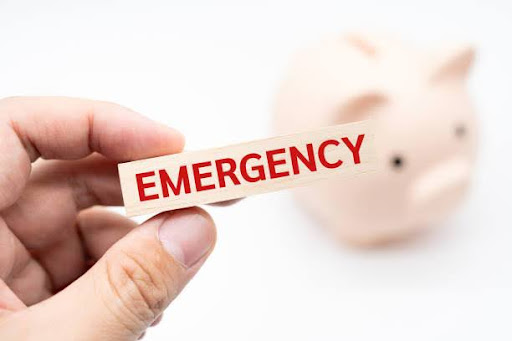
Step 3: Build an Emergency Fund
Life happens. Cars break down, medical emergencies arise, or jobs are lost. That’s where an emergency fund comes in.
🚨 What is an Emergency Fund?
It’s money set aside specifically for unexpected expenses.
Goal: Save 3 to 6 months’ worth of living expenses in a separate, easily accessible savings account.
Start small. Even $10 a week adds up over time. Treat your emergency fund like a non-negotiable bill.
Step 4: Pay Off Debt Strategically
Debt can feel overwhelming, but with a plan, it’s manageable.
🧠 Two Common Methods:
Debt Snowball: Pay off the smallest debt first for a quick win, then move to the next.
Debt Avalanche: Focus on debts with the highest interest rates first to save money long-term.
Use the method that keeps you motivated. Avoid taking on new debt while paying off old debt.
Bonus Tip: Negotiate lower interest rates or look into balance transfer options to reduce your burden.
Step 5: Save and Invest for the Future
Once your essentials and emergency fund are covered, it’s time to grow your wealth.
💰 Smart Saving Habits:
Set short-term goals: a vacation, new laptop, or home renovation.
Set long-term goals: retirement, home ownership, education.
Use high-yield savings accounts to earn better interest on your money.
📈 Begin Investing:
Investing helps your money grow faster than a savings account ever could. Start with:
Retirement accounts (401k, IRA)
ETFs or index funds
Robo-advisors for beginners
Important: Start small, do your research, and be patient. Time is your greatest asset.
Step 6: Avoid Lifestyle Inflation
As income increases, it’s tempting to spend more. This is called lifestyle inflation, and it can quietly sabotage your financial progress.
Instead of upgrading your car or moving into a more expensive apartment right away, consider:
Saving or investing the extra income
Increasing debt payments
Building a side hustle
Living below your means is one of the most powerful habits for long-term financial health.
Step 7: Educate Yourself Regularly
Financial literacy is a journey. The more you know, the better decisions you’ll make.
📚 Learn Through:
Books like The Total Money Makeover by Dave Ramsey or I Will Teach You to Be Rich by Ramit Sethi
Free podcasts and YouTube channels
Blogs and newsletters (like this one!)
Knowledge is power especially when it comes to your money.
Tools to Help You Manage Money
Here are some tools that make managing money easier:
🔧 Apps:
Mint: Budgeting and expense tracking
YNAB (You Need A Budget): Hands-on budgeting with a focus on future spending
Acorns or Robinhood: Beginner-friendly investing
Goodbudget: For envelope-style budgeting
📅 Habit Tips:
Set a weekly money review day (e.g., Sundays)
Automate bills, savings, and investments
Use alerts for due dates to avoid late fees
Conclusion: Start Where You Are
Managing money isn’t about being perfect ,it’s about being intentional. Start where you are, with what you have, and take it one step at a time. Whether you’re digging out of debt, saving your first $1000, or planning for retirement, small actions now create big wins later.
Remember: Your money should work for you ,not the other way around.
Ready to take control of your finances? Start today with one small change. Bookmark this post, share it with a friend, and subscribe to our blog for more practical financial advice every week!
Stop spending money by becoming more mindful of how your spending habits affect your financial health and overall well-being. Spending money is an inevitable part of life, but how you spend it can make a significant difference in your ability to save, plan, and stay financially secure. Whether you’re managing a tight budget, preparing for…
Smart investment strategies are essential for building wealth, achieving financial independence, and securing your future. Whether you’re just starting out or looking to refine your approach, adopting smart investment strategies can help you make informed decisions, manage risk effectively, and maximize your returns. In this blog, we’ll explore key aspects of investment, from understanding different…
Emergencies are inevitable, but the financial stress they bring can be managed with a well-thought-out savings plan. An emergency savings plan serves as your safety net, ensuring that unexpected expenses don’t derail your financial health. In this guide, we’ll walk you through creating a practical and achievable plan to build and maintain your emergency fund….
Saving money is essential for financial security and achieving personal aspirations. However, savings often feel daunting without clear objectives. By identifying specific savings goals, you can transform your financial journey into a purposeful and rewarding experience. In this blog, we explore practical and creative savings ideas to guide you on this path. Understanding the Importance…
Stop spending money by learning how to take control of your finances and develop healthier habits. Money management isn’t just about earning and saving, it’s also about controlling spending. Overspending can derail your financial goals, leading to unnecessary debt and stress. By becoming more mindful of where your money goes, you can create a budget…
The holiday season is a time for celebration, giving, and creating memories with loved ones. However, it can also bring financial stress due to overspending on gifts, decorations, travel, and celebrations. If you’re aiming to enjoy the holidays without feeling the strain on your wallet, implementing smart holiday spending tips is key. Here are some…