Understanding Your Hair Type: A Complete Guide
Understanding your hair type is the first step to achieving healthy, manageable, and beautiful hair. Your hair type influences everything from the products you should use to the hairstyles that suit you best. By learning about your unique hair texture, porosity, and density, you can create a personalized hair care routine that works for you.
In this guide, we’ll explore different hair types, how to identify yours, and tips for tailoring your hair care routine to your specific needs.
The 4 Main Hair Types
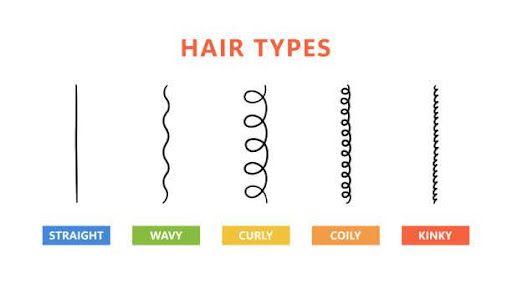
Hair types are generally classified into four categories: straight, wavy, curly, and coily. Each type has its own characteristics and care requirements.
1. Type 1: Straight Hair

- Characteristics: Straight hair is typically sleek, shiny, and resistant to curling.
- Common Concerns: Can appear flat or oily due to sebum traveling easily down the hair shaft.
- Care Tips:
- Use lightweight shampoos and conditioners to avoid weighing hair down.
- Incorporate volumizing products to add body and texture.
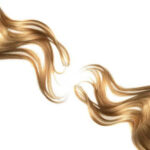
2. Type 2: Wavy Hair

- Characteristics: Wavy hair has a loose “S” shape pattern and ranges from fine to coarse textures.
- Common Concerns: Prone to frizz and lacks defined waves without styling.
- Care Tips:
- Use moisturizing products to combat frizz.
- Enhance your waves with a sea salt spray or curl cream.
3. Type 3: Curly Hair

- Characteristics: Curly hair forms tight loops and tends to be more voluminous.
- Common Concerns: Dryness and tangling due to the curls preventing natural oils from evenly distributing.
- Care Tips:
- Stick to sulfate-free shampoos and deep conditioners.
- Detangle with a wide-tooth comb while hair is wet and coated with conditioner.
4. Type 4: Coily Hair

- Characteristics: Coily hair has tight, spring-like curls or zig-zag patterns. Often fragile and prone to shrinkage.
- Common Concerns: Breakage and dryness due to the delicate nature of the curls.
- Care Tips:
- Use rich, nourishing products like shea butter or coconut oil.
- Protect your hair with styles like braids or twists to retain moisture.
Understanding Hair Porosity

Hair porosity refers to your hair’s ability to absorb and retain moisture. It’s classified as low, medium, or high porosity.
How to Test Hair Porosity
- Place a strand of clean, dry hair in a glass of water.
- Low Porosity: Hair floats (resists moisture).
- Medium Porosity: Hair sinks slowly (balanced moisture retention).
- High Porosity: Hair sinks quickly (absorbs moisture but loses it fast).
Porosity Care Tips
- Low Porosity: Use lightweight products and apply heat when deep conditioning to open the cuticle.
- Medium Porosity: Maintain balance with regular conditioning and avoid overusing protein treatments.
- High Porosity: Opt for heavier products like oils and butters to seal in moisture.
Hair Density and Thickness

Hair density refers to the number of hair strands on your scalp, while thickness refers to the width of individual strands.
How to Determine Hair Density
- High Density: You cannot see your scalp easily.
- Medium Density: Your scalp is slightly visible when hair is parted.
- Low Density: Your scalp is easily visible.
How to Determine Hair Thickness
- Take a single strand of hair:
- If it feels thick and visible, you have coarse hair.
- If it’s hard to see or feel, your hair is fine.
Matching Hair Products to Your Hair Type

Choosing the right products is crucial for maintaining your hair health.
- For Straight Hair: Look for volumizing shampoos and lightweight conditioners.
- For Wavy Hair: Hydrating and anti-frizz products work best.
- For Curly Hair: Use curl-defining creams and leave-in conditioners.
- For Coily Hair: Opt for rich, moisturizing products like hair butters or oils.
Hair Care Tips for All Hair Types

No matter your hair type, these tips can help you maintain strong, healthy locks:
- Avoid Overwashing: Too much washing strips natural oils.
- Protect from Heat: Always use a heat protectant spray before styling.
- Stay Hydrated: Drinking plenty of water promotes hair health.
- Trim Regularly: Prevent split ends with trims every 6-8 weeks.
- Scalp Care: Keep your scalp clean and nourished with exfoliating treatments.
Conclusion
Understanding your hair type, porosity, and density can transform your hair care routine, making it more effective and tailored to your needs. Whether your hair is straight, wavy, curly, or coily, embrace its unique qualities and give it the care it deserves. With the right knowledge and products, achieving strong, healthy, and beautiful hair is within reach.