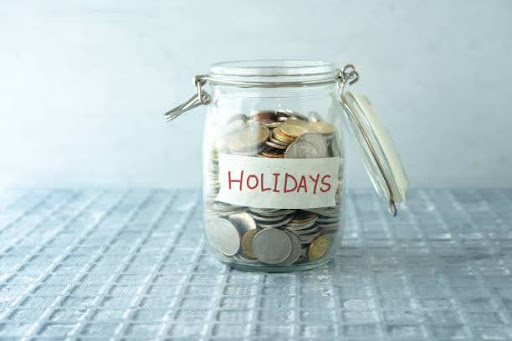
The holiday season is a time for celebration, giving, and creating memories with loved ones. However, it can also bring financial stress due to overspending on gifts, decorations, travel, and celebrations. If you’re aiming to enjoy the holidays without feeling the strain on your wallet, implementing smart holiday spending tips is key. Here are some effective strategies to help you have a joyful, budget-friendly holiday season.
1. Set a Holiday Budget
The first step to avoiding holiday overspending is to set a realistic budget. This budget should include all the anticipated holiday expenses, from gifts to travel to food and decorations. By creating a budget, you give yourself a financial limit that helps you prioritize spending on what matters most.
How to Set Your Holiday Budget
Assess your finances: Review your income, savings, and any upcoming expenses. How much can you afford to spend without compromising other financial priorities?
Categorize your spending: Break your budget down into categories, such as gifts, travel, food, and entertainment. Assign a set amount for each category based on your priorities.
Stick to it: Once you’ve set your budget, it’s essential to track your expenses and make sure you don’t go overboard. This is where discipline comes into play.
2. Be Strategic with Gifts
Gift-giving is a big part of the holiday season, but it doesn’t have to be expensive to be meaningful. Thoughtful, budget-friendly gifts can have just as much impact as extravagant ones. Here’s how you can keep your gift spending in check:
1. Make a Gift List and Stick to It
Before you begin shopping, list everyone you plan to buy gifts for and set a specific budget for each person. This will keep you organized and focused on purchasing gifts that fit within your means.
2. Get Creative with Gifts
Not all gifts need to come with a hefty price tag. Some inexpensive, meaningful gift ideas include:
Handmade gifts: If you’re crafty, consider making something personal, such as homemade candles, knitted scarves, or baked goods.
Experience gifts: Instead of material items, offer experiences like a home-cooked meal, a fun outing, or a relaxing day together.
Personalized items: Customized mugs, photo albums, or keepsakes can show thoughtfulness without being expensive.
3. Shop Sales and Discounts
Take advantage of seasonal sales, Black Friday deals, and discount websites to purchase gifts at lower prices. Use apps or websites that track price drops to ensure you get the best deals. Also, remember to use coupons and take advantage of cashback offers whenever possible.
3. Cut Back on Decorations
Holiday decorations are a wonderful way to get into the festive spirit, but they don’t have to break the bank. You can create a beautiful holiday atmosphere without overspending.
DIY Decorations
Instead of buying expensive store-bought decorations, consider making your own. There are countless tutorials online for DIY decorations, such as:
Handmade wreaths from natural materials like pinecones, twigs, and holly.
Paper snowflakes or garlands made from recycled paper.
Homemade ornaments using simple craft supplies like clay or fabric.
By crafting your own decorations, you not only save money but also add a personal touch to your home.
4. Plan Holiday Meals Wisely
Holiday meals can be a major budget buster, especially when hosting large gatherings. Fortunately, there are several strategies to save money on food without sacrificing quality.
Plan Your Meals in Advance
Make a detailed menu before you start shopping. Stick to recipes that are both budget-friendly and easy to prepare. Consider dishes that use affordable ingredients but still offer flavor and variety.
Buy in Bulk
When shopping for holiday meals, buy non-perishable items in bulk, such as canned goods, pasta, and rice. You can often find bulk discounts on seasonal foods, which will save you money in the long run.
Potluck Dinners
If you’re hosting a holiday meal, consider making it a potluck dinner, where each guest brings a dish. This not only reduces your cooking costs but also adds variety to the meal without increasing your workload.
5. Be Mindful of Travel Costs
Traveling during the holidays can be one of the most expensive aspects of the season. However, with a little planning, you can minimize travel expenses.
Plan and Book Early
Flights, train tickets, and hotel rooms are usually more affordable when booked in advance. The earlier you plan your trip, the more likely you are to secure discounts and avoid last-minute price hikes.
Explore Alternative Travel Options
Instead of flying, consider other affordable travel options like taking a bus or driving if the distance permits. If you’re traveling with family or friends, carpooling or renting a larger vehicle can help reduce travel costs.
Stay with Family or Friends
If you have family or friends living in the area you’re visiting, consider staying with them to avoid costly hotel accommodations. This not only saves money but also offers a more personal and intimate holiday experience.
6. Limit Your Entertainment Spending
While it’s important to have fun during the holidays, it’s also easy to overspend on entertainment. From events to outings, entertainment costs can quickly add up if you’re not careful.
Find Free or Low-Cost Activities
There are plenty of ways to enjoy the holiday season without spending a lot of money:
Attend free community events like light displays, concerts, or festivals.
Host a holiday movie night at home with loved ones.
Volunteer to spread some holiday cheer to those in need, which can provide a meaningful experience without spending money.
Prioritize Experiences Over Gifts
Instead of spending money on expensive outings or presents, focus on creating memories. A family game night, a homemade gift exchange, or a day spent baking together can be more meaningful than a costly experience.
7. Avoid Last-Minute Shopping
Last-minute shopping often leads to impulse purchases, which can significantly increase your holiday spending. To avoid this, plan ahead and give yourself enough time to shop for gifts, meals, and travel.
Start Early
Beginning your holiday shopping months in advance allows you to spread out expenses and avoid the stress of rushing to buy everything at once. You’ll also have more time to hunt for deals and make thoughtful choices.
Conclusion
The holidays are meant to be a time of joy and connection, not stress over money. By setting a clear budget, being strategic with gifts and meals, and finding ways to minimize travel and entertainment costs, you can enjoy a festive season without the financial strain. Remember, the most memorable moments often come from experiences, not extravagant spending. With a little planning and mindfulness, you can have a joyous, budget-friendly holiday season!
Stop spending money by becoming more mindful of how your spending habits affect your financial health and overall well-being. Spending money is an inevitable part of life, but how you spend it can make a significant difference in your ability to save, plan, and stay financially secure. Whether you’re managing a tight budget, preparing for…
A living room makeover doesn’t have to cost a fortune. Whether you’re looking to refresh your current space or completely transform the look of your living area, there are plenty of budget-friendly ways to achieve a stylish and cozy living room. With some creativity, a little DIY, and strategic shopping, you can create a space…
Stop spending money by learning how to take control of your finances and develop healthier habits. Money management isn’t just about earning and saving, it’s also about controlling spending. Overspending can derail your financial goals, leading to unnecessary debt and stress. By becoming more mindful of where your money goes, you can create a budget…
Smart investment strategies are essential for building wealth, achieving financial independence, and securing your future. Whether you’re just starting out or looking to refine your approach, adopting smart investment strategies can help you make informed decisions, manage risk effectively, and maximize your returns. In this blog, we’ll explore key aspects of investment, from understanding different…
Managing money is a life skill that impacts every area of our lives from how we handle emergencies to how well we sleep at night. Whether you’re trying to save for a dream vacation, pay off debt, or simply gain more control over your finances, learning how to manage your money effectively can make all…
Saving money is essential for financial security and achieving personal aspirations. However, savings often feel daunting without clear objectives. By identifying specific savings goals, you can transform your financial journey into a purposeful and rewarding experience. In this blog, we explore practical and creative savings ideas to guide you on this path. Understanding the Importance…