Strength Training at Home: A Comprehensive Guide
Introduction
Strength training is a vital component of a balanced fitness routine. It helps build muscle, enhance endurance, and improve overall health. The good news? You don’t need a gym to get started. With the right strategies, equipment, and motivation, you can achieve significant results from the comfort of your home.
In this guide, we’ll explore how to create an effective strength training routine at home, highlight essential equipment, and provide tips for achieving your fitness goals.
Why Strength Train at Home?
Home-based strength training offers several benefits:
- Convenience: No commuting to the gym.
- Cost-Effective: Minimal investment in equipment.
- Flexibility: Workout on your schedule.
- Privacy: Exercise in a comfortable and familiar environment.
Essential Equipment for Home Strength Training
While you can perform many exercises using just your body weight, having some basic equipment expands your options.
1. Body Weight
- Push-ups, squats, and lunges are highly effective for beginners.
- No equipment is needed, making this the most accessible option.
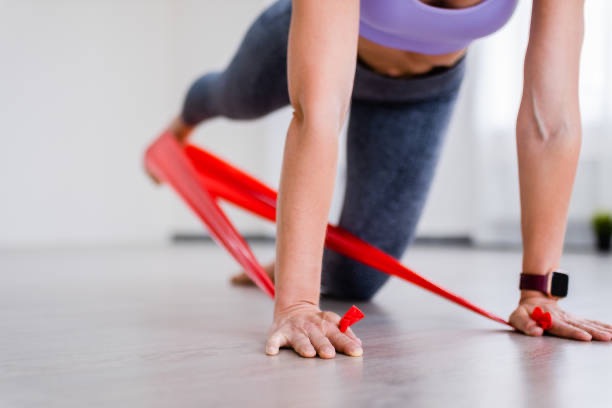
2. Resistance Bands
- Lightweight, portable, and versatile.
- Perfect for building strength in smaller muscle groups.
3. Dumbbells
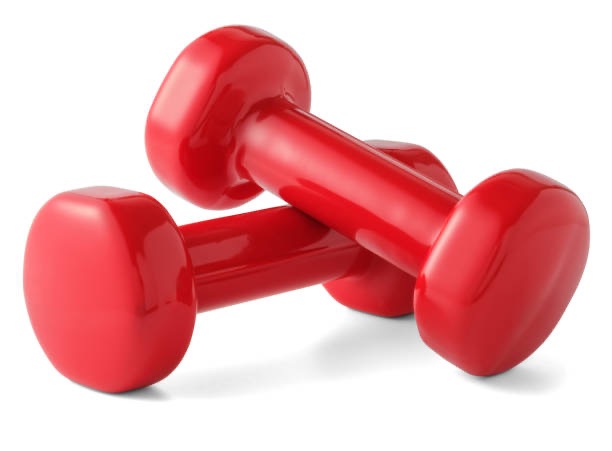
- Great for progressive overload and targeting various muscle groups.
- Adjustable dumbbells save space and cost in the long run.
4. Kettlebells
- Ideal for dynamic movements like swings, goblet squats, and presses.
5. Stability Ball
- Excellent for core-strengthening exercises and balance training.
Best Strength Training Exercises at Home
Lower Body
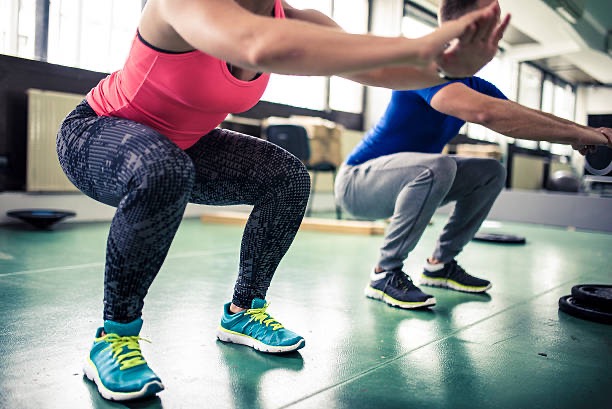
1. Squats
- Variations: Bodyweight, goblet, or Bulgarian split squats.
- Benefits: Strengthens quads, hamstrings, glutes, and core.
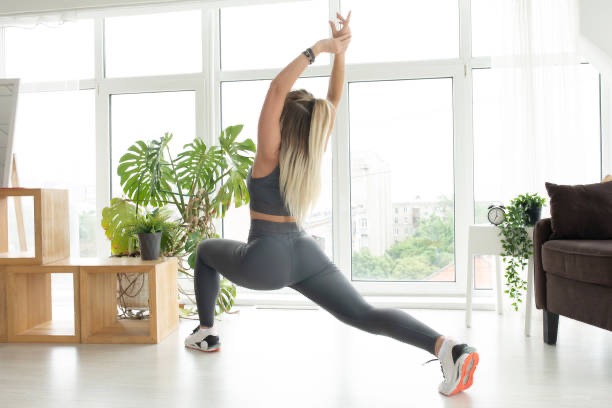
2. Lunges
- Variations: Forward, reverse, or walking lunges.
- Benefits: Improves balance and builds lower body strength.
Upper Body
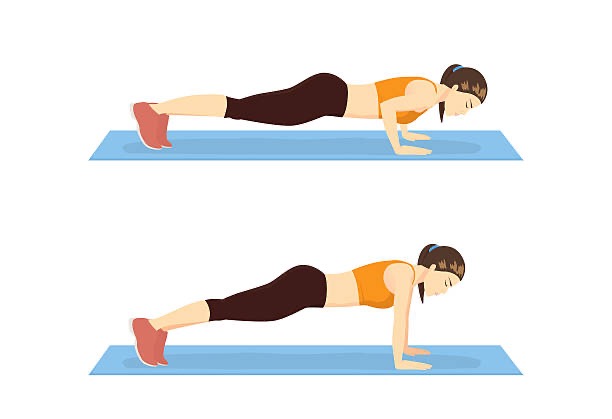
1. Push-Ups
- Variations: Standard, wide-grip, or diamond push-ups.
- Benefits: Builds chest, shoulders, triceps, and core strength.
2. Rows
- Use resistance bands or dumbbells.
- Benefits: Strengthens back muscles and improves posture.
Core
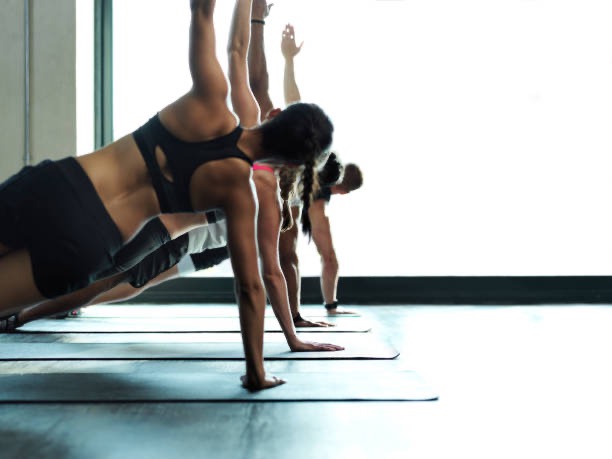
1. Planks
- Variations: Side planks, forearm planks, or plank-to-push-up.
- Benefits: Builds core stability and overall strength.
2. Russian Twists
- Use a dumbbell or medicine ball for added intensity.
- Benefits: Strengthens obliques and rotational muscles.
Sample Strength Training Routine
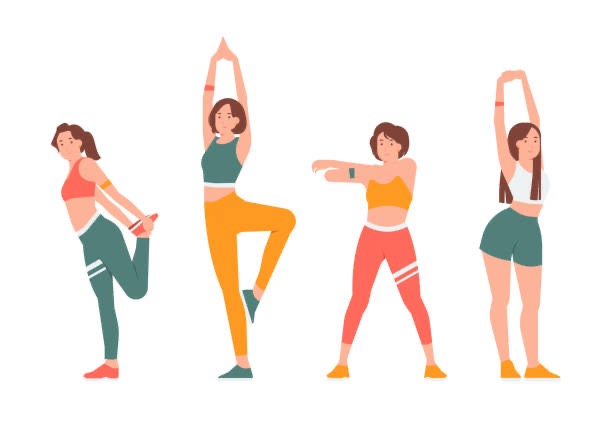
Beginner Routine (30 Minutes)
- Warm-Up (5 Minutes): Light jogging, arm circles, and dynamic stretches.
- Main Workout (20 Minutes):
- Bodyweight squats: 3 sets of 12 reps.
- Push-ups: 3 sets of 10 reps.
- Plank: Hold for 30 seconds, 3 times.
- Cool Down (5 Minutes): Gentle stretches for major muscle groups.
Intermediate Routine (45 Minutes)
- Warm-Up (5 Minutes): Include dynamic moves like high knees and jumping jacks.
- Main Workout (35 Minutes):
- Dumbbell squats: 3 sets of 12 reps.
- Push-ups: 3 sets of 15 reps.
- Dumbbell rows: 3 sets of 10 reps per side.
- Russian twists: 3 sets of 20 reps (10 per side).
- Cool Down (5 Minutes): Stretch with a focus on hamstrings, shoulders, and back.
Tips for Successful Strength Training at Home
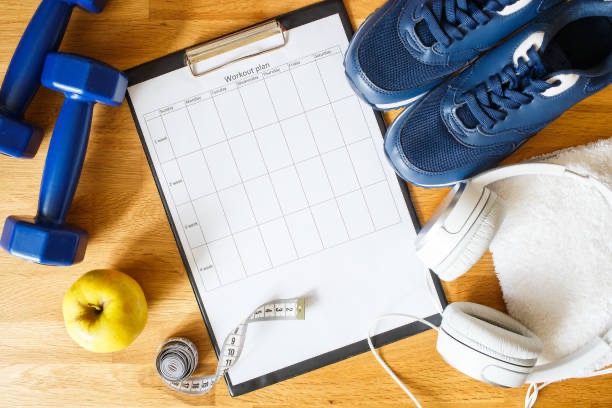
1. Set Clear Goals
Determine whether your goal is muscle gain, fat loss, or improved endurance, and tailor your routine accordingly.
2. Prioritize Form Over Weight
Proper form prevents injuries and ensures you’re targeting the correct muscles.
3. Gradually Increase Intensity
Progress by adding reps, sets, or weight as your strength improves.
4. Stay Consistent
Aim for at least 2–3 strength training sessions per week for noticeable results.
5. Track Your Progress
Keep a log of your workouts to monitor improvements and stay motivated.
Final Thoughts
Strength training at home is a practical and effective way to achieve your fitness goals. By incorporating a variety of exercises, investing in basic equipment, and maintaining consistency, you can build strength, enhance your overall fitness, and enjoy the convenience of working out on your terms.
Start today and watch your strength and confidence soar!