Hair braiding is a timeless art that combines beauty, practicality, and tradition. Braids have been a staple hairstyle across cultures for centuries, symbolizing identity, status, and creativity. Today, braids continue to be a favorite for their versatility, offering options for every occasion be it a casual outing, a formal event, or a protective hairstyle for long-term wear.
In this guide, we’ll delve into the art of hair braiding, covering popular styles, essential techniques, and care tips to help you achieve beautiful, lasting braids.
Meta Description: Master the art of hair braiding with this comprehensive guide. Learn about popular braid styles, step-by-step techniques, and expert care tips for healthy, stunning braids.
Popular Hair Braid Styles to Explore
Braids come in many styles, each offering a unique look and function. While some are perfect for everyday wear, others shine on special occasions. Here are a few styles to consider:
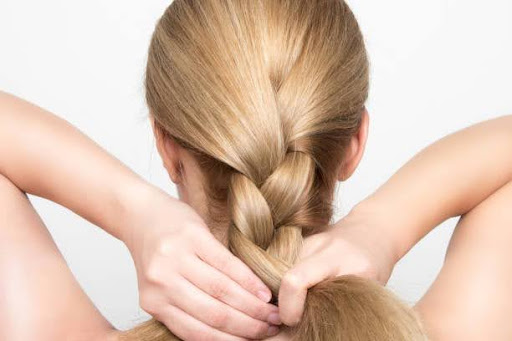
The Classic Three-Strand Braid
The three-strand braid is the foundation of all braids and an excellent starting point for beginners. It’s simple yet elegant and works well for both casual and professional settings. To create it, divide your hair into three equal sections, then alternate crossing the outer sections over the middle until you reach the end. Secure the braid with a hair tie.
The French Braid
The French braid is a polished variation where new sections of hair are incorporated as you braid. Start at the crown, dividing your hair into three sections. As you cross the outer sections over the middle, add a small piece of hair from each side. This creates a neat, close-to-the-scalp braid that stays put throughout the day, making it ideal for workouts or busy schedules.
The Dutch Braid
The Dutch braid is often referred to as the “inside-out” braid. It uses the same technique as the French braid, but instead of crossing the sections over the middle, you cross them under. This method results in a braid that pops outward, giving it a more defined, dramatic appearance.
Box Braids
Box braids are a popular protective style, often done using extensions for added length and volume. This style involves sectioning the hair into small squares and braiding each section from root to tip. Box braids can last for weeks with proper care and offer a versatile base for various styles, such as buns, ponytails, or half-up looks.
Tips for Achieving Perfect Braids
Creating flawless braids requires patience and practice. Here’s how you can improve your braiding skills:
Start with Clean, Prepped Hair: Freshly washed and conditioned hair is easier to work with. For extra grip, use a texturizing spray or mousse.
Detangle Before You Begin: Smooth, tangle-free hair is crucial for clean braids. Use a detangling brush or a wide-tooth comb to prepare your strands.
Maintain Consistent Tension: Uneven tension can make braids look lopsided or messy. Practice keeping the pressure even as you cross sections over or under.
Work with Sections: Divide your hair into neat, even sections to ensure a balanced braid. For complex styles like box braids, use clips to separate and organize your hair.
Practice, Practice, Practice: Braiding takes time to master. Start with simpler styles and work your way up to more intricate designs as your confidence grows.
Caring for Braided Hair
Braids can last anywhere from a day to several weeks, depending on the style. However, maintaining their appearance and protecting your hair requires regular care.
Night Protection
Protect your braids at night by wrapping them in a silk or satin scarf. Alternatively, sleep on a satin pillowcase to reduce friction and prevent frizz.
Scalp Care
Keep your scalp moisturized by applying a light oil or leave-in conditioner. This is especially important for long-term styles like box braids, which can dry out your scalp over time.
Washing Braids
For styles that last weeks, such as box braids or cornrows, cleanse your scalp with a diluted shampoo. Use a spray bottle to target the roots, and rinse gently without disturbing the braids.
Avoid Over-Manipulation
While braids are durable, frequent restyling or pulling can cause tension and breakage. Handle your braids gently to preserve both the style and the health of your hair.
Choosing the Right Braid for Your Hair Type
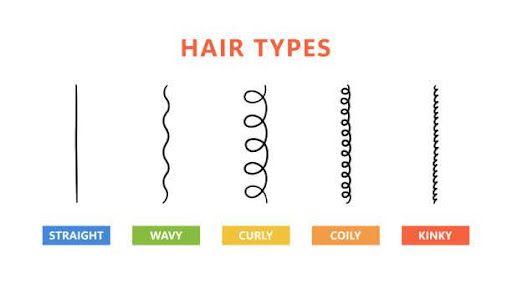
Not all braids suit every hair type, so it’s essential to choose a style that works for your texture and length.
Fine Hair: Opt for styles like fishtail or French braids, which can add volume and detail without weighing your hair down.
Thick Hair: Styles like Dutch braids or box braids are excellent for thick hair, as they can hold the weight and texture effectively.
Curly or Coily Hair: Embrace braids that protect your curls, such as cornrows or two-strand twists. Use hydrating products to reduce frizz and enhance definition.
Why Braids Are More Than Just a Hairstyle
Braids are more than a practical way to style hair—they’re an expression of creativity, culture, and individuality. They also offer significant hair care benefits, including protection from environmental damage, reduced manipulation, and versatility for any occasion.
Whether you’re a beginner mastering the basics or an experienced braider experimenting with new designs, braiding is a skill that grows with practice and imagination.
Conclusion
The art of hair braiding is as functional as it is beautiful. With an array of styles to choose from and a little practice, you can create stunning looks that suit any occasion. By taking proper care of your braids, you’ll enjoy not only their aesthetic appeal but also their benefits for hair health.
Embrace the art of braiding and let your creativity shine your hair is your canvas!
Clear skin tips are essential for anyone who wants to achieve a healthy, glowing, and blemish-free complexion. From daily skincare habits to lifestyle choices, following the right clear skin tips can help prevent breakouts, balance your skin, and improve overall texture. Whether you struggle with acne, dullness, or uneven tone, understanding what works for your…
Perfumes are not just an accessory, they are an expression of your personality and style. Whether you have a small collection or a vast array of scents, proper perfume storage is essential to maintaining the fragrance’s quality and longevity. If you store your perfumes incorrectly, they may lose their potency, change their scent, or even…
What is Fragrance Layering? Fragrance layering for men is the art of blending different fragrances to create a unique, personalized scent. By combining various notes, such as fresh citrus, rich spices, and deep woods, you can elevate your fragrance experience and make it last longer. Whether you want something bold, subtle, or refined, fragrance layering…
Easy hairstyles for every occasion are an essential part of personal style, offering endless opportunities to express yourself. From chic updos to casual waves, your hair can set the tone for any look. Whether you’re preparing for a formal event, running errands, or simply looking for a fresh everyday style, easy hairstyles can match your…
Understanding your hair type is the first step to achieving healthy, manageable, and beautiful hair. Your hair type influences everything from the products you should use to the hairstyles that suit you best. By learning about your unique hair texture, porosity, and density, you can create a personalized hair care routine that works for you….
Healthy, glowing skin starts with a consistent and well-structured skincare routine. But with so many products and steps out there, it can be overwhelming to know where to begin. This guide will simplify the process, offering a step-by-step skincare routine designed for beginners and seasoned skincare enthusiasts alike. Plus, we’ve included some top-quality products you…