Sunscreen is often considered one of the most crucial steps in any skincare routine. Whether it’s sunny or cloudy, your skin is exposed to harmful UV rays that can cause premature aging, skin damage, and even skin cancer. Incorporating sunscreen into your daily skincare routine is essential for maintaining healthy skin and protecting it from the sun’s damaging effects. In this blog, we will explore the importance of sunscreen, how it works, and the best types to use for different skin types.
Why Sunscreen is Important
1. Protection Against UV Rays
The sun emits two types of ultraviolet (UV) rays: UVA and UVB. Both can damage your skin in different ways, making it important to wear sunscreen daily.
UVA Rays: These rays penetrate deep into the skin, causing premature aging, wrinkles, and age spots.
UVB Rays: These rays are responsible for sunburns and can directly damage the skin’s DNA, leading to skin cancer over time.
Sunscreen acts as a barrier between your skin and these harmful rays, significantly reducing the risk of sunburn and long-term skin damage.
2. Prevents Premature Aging
One of the most visible effects of sun exposure is premature aging, which includes wrinkles, fine lines, and sagging skin. Regular use of sunscreen helps prevent these signs of aging by protecting the skin from sun damage and maintaining its elasticity.
Tip: Use sunscreen daily, even when it’s cloudy, as up to 80% of UV rays can penetrate through clouds.
Types of Sunscreen
1. Chemical Sunscreens
Chemical sunscreens contain active ingredients that absorb UV rays and convert them into heat, which is then released from the skin. These sunscreens often have a lighter, more transparent finish on the skin, making them a popular choice for many.
Active Ingredients: Avobenzone, oxybenzone, octinoxate, and homosalate.
Best For: Oily or acne-prone skin, as these sunscreens are lightweight and usually non-greasy.
Mineral sunscreens contain physical blockers like zinc oxide or titanium dioxide, which sit on the surface of the skin and deflect UV rays. They tend to have a thicker consistency and may leave a slight white cast on the skin, but they provide instant protection.
Active Ingredients: Zinc oxide and titanium dioxide.
Best For: Sensitive skin types and people looking for natural, reef-safe options.
Broad-spectrum sunscreens protect against both UVA and UVB rays, offering comprehensive protection for your skin. Always choose a sunscreen labeled as broad-spectrum to ensure full protection against both types of harmful rays.
SPF Rating: Sunscreens with SPF 30 or higher are generally recommended for adequate daily protection.
How to Choose the Right Sunscreen for Your Skin Type
1. For Oily or Acne-Prone Skin
If you have oily or acne-prone skin, look for lightweight, non-comedogenic sunscreens that won’t clog your pores or leave a greasy residue. Gel-based or water-based formulas are ideal for this skin type.
Tip: Choose a sunscreen labeled “oil-free” or “non-comedogenic” to prevent breakouts.
If you have dry skin, look for sunscreens with added moisturizers like glycerin, hyaluronic acid, or ceramides. These ingredients help to hydrate your skin while providing sun protection.
Tip: Choose sunscreens that are labeled “hydrating” or “moisturizing” to ensure your skin stays nourished and protected.
For those with sensitive skin, mineral sunscreens with soothing ingredients like aloe vera, chamomile, or calendula are a great choice. These sunscreens are gentle on the skin and less likely to cause irritation.
Tip: Avoid sunscreens with fragrance, alcohol, or chemical filters, which can irritate sensitive skin.
To ensure full protection, apply sunscreen generously to all exposed areas of your skin. Most people don’t use enough sunscreen, which can lead to inadequate protection.
Tip: Apply about 1 ounce (a shot glass full) of sunscreen to your entire body, and make sure to cover all exposed skin.
2. Reapply Regularly
Sunscreen can wear off over time, especially if you sweat, swim, or towel off. Reapply sunscreen every two hours, and more often if you’re engaged in physical activities.
Tip: Carry a portable sunscreen or sunscreen mist for easy reapplication throughout the day.
3. Don’t Forget Your Eyes and Lips
The skin around your eyes and lips is particularly delicate and susceptible to UV damage. Use a sunscreen specifically formulated for the face and remember to apply it around your eyes, on your ears, and on your lips.
Tip: Use a lip balm with SPF 15 or higher to protect your lips from sunburn.
Conclusion
Sunscreen is an essential part of any skincare routine, no matter your skin type or age. By choosing the right sunscreen and applying it regularly, you can protect your skin from harmful UV rays and prevent premature aging, sunburn, and skin cancer. Make it a habit to wear sunscreen every day, and your skin will thank you in the long run. Remember, the best sunscreen is the one you’ll wear consistently, so find the formula that works best for your skin type and lifestyle.
When it comes to making a lasting impression, nothing speaks louder than a captivating scent. A great fragrance not only boosts your confidence but also leaves a lasting memory on everyone you meet. However, achieving that perfect, long-lasting fragrance isn’t as simple as spritzing some cologne on in the morning. There are several fragrance hacks…
Natural hair care is all about embracing the beauty of your hair in its most authentic form. With the increasing demand for natural beauty products and more people opting for chemical-free hair care routines, natural hair care has become a popular trend. Whether you have curly, straight, or wavy hair, using the right natural products…
Nail polish is more than just a beauty product; it’s a form of self-expression. Whether you prefer bold, vibrant shades or neutral tones, mastering the art of applying and maintaining nail polish is essential for achieving flawless nails. This guide will walk you through everything from choosing the right nail polish to perfecting your application…
Perfume is not just for your body; it can be a fantastic addition to your hair care routine too. Whether you’re looking to enhance the scent of your hair or add an extra layer of fragrance that lasts all day, using perfume in your hair can elevate your overall experience. However, applying perfume to hair…
Natural manicures are perfect for those who want to embrace simplicity while maintaining the health and beauty of their nails. Unlike elaborate nail art or artificial enhancements, natural manicures focus on enhancing your nails’ innate charm. Whether you’re looking for a minimalist look or a polished finish, this guide will inspire you with ideas and…
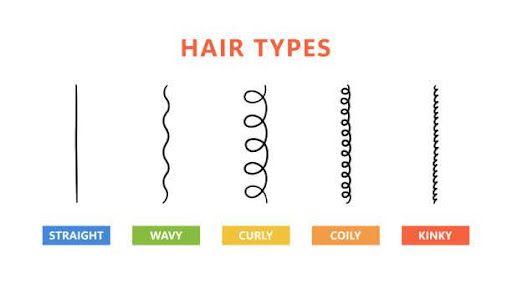
Understanding your hair type is the first step to achieving healthy, manageable, and beautiful hair. Your hair type influences everything from the products you should use to the hairstyles that suit you best. By learning about your unique hair texture, porosity, and density, you can create a personalized hair care routine that works for you….